In the fast-paced food and beverage industry, every minute of production counts. Equipment breakdowns can lead to costly downtime, wasted product, and even safety or hygiene risks. That’s why more manufacturers are turning to preventative maintenance (PM), a proactive approach that keeps production lines running smoothly and safely, before problems arise.
By planning maintenance rather than reacting to failures, food manufacturers can safeguard uptime, protect their workforce, and ensure consistent product quality.
What Is Preventative Maintenance?
Preventative maintenance (sometimes called planned preventative maintenance or PPM) is a structured programme of regular inspections, servicing, and repairs carried out to prevent equipment failure.
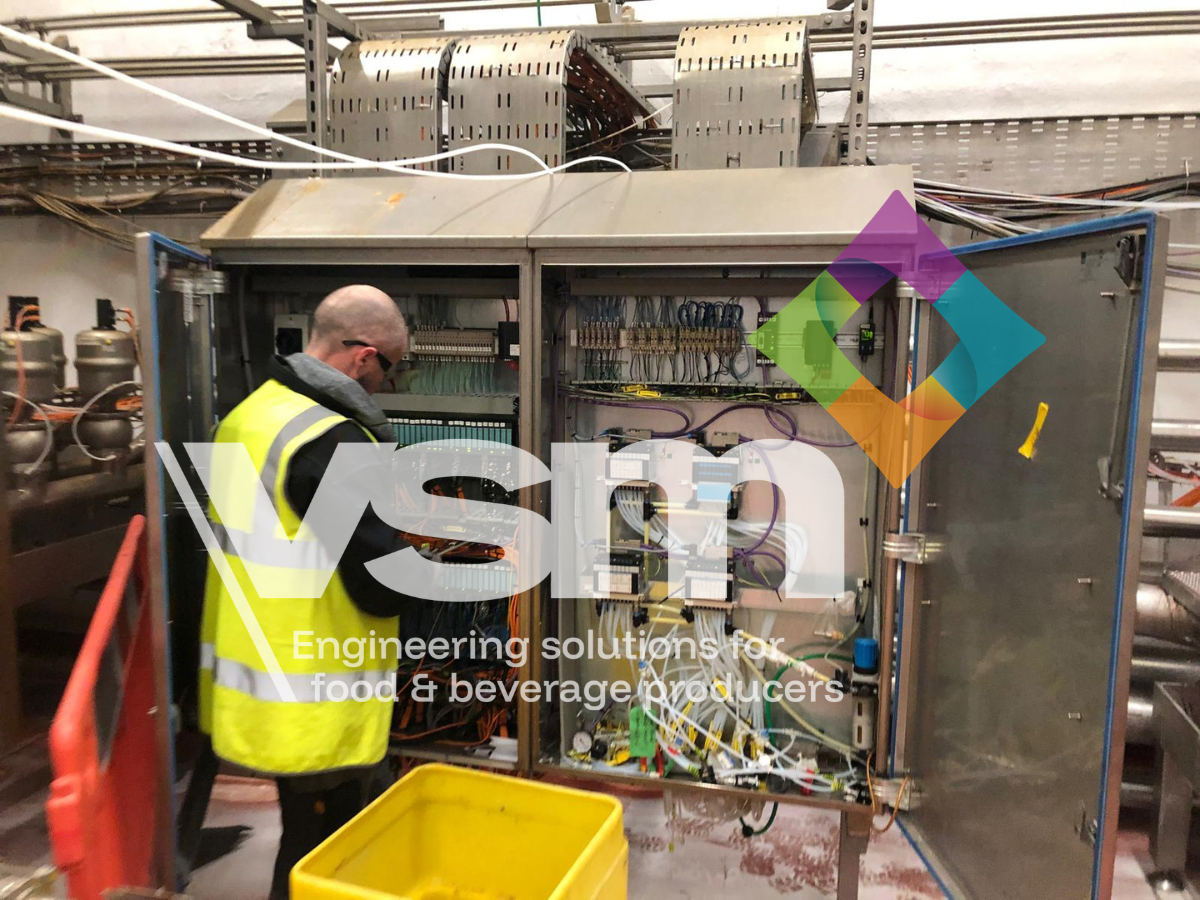
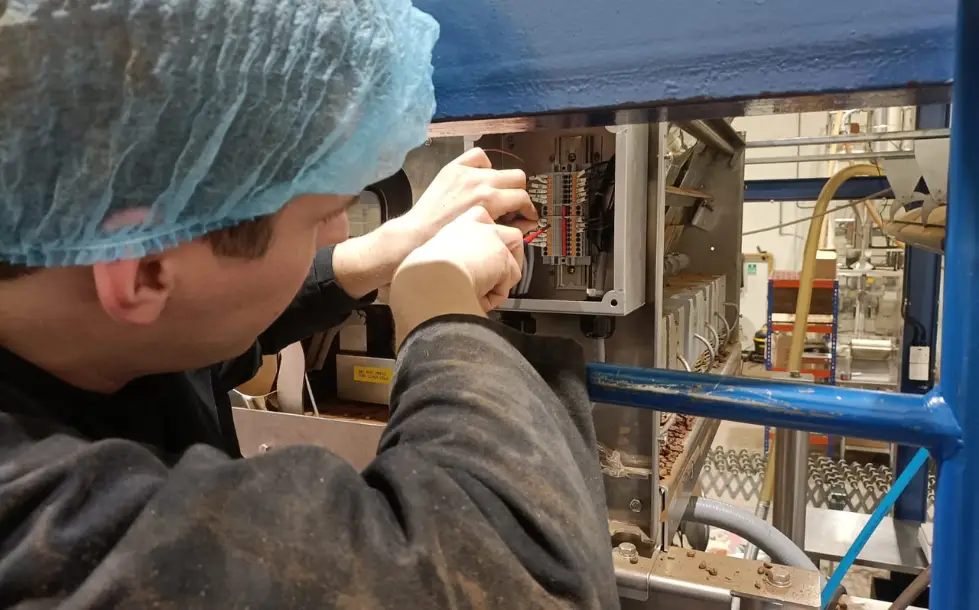
Instead of waiting for machinery to break down, engineers perform routine checks on critical components (belts, bearings, motors, electrical panels, sensors, and conveyors etc.) identifying wear or damage before it causes disruption.
This proactive approach keeps your equipment reliable and your operations compliant with strict food safety and hygiene regulations.
Why Preventative Maintenance Matters in Food Manufacturing
1. Improved Equipment Reliability
Regular maintenance ensures machinery performs at its best. Well-lubricated, calibrated, and inspected systems are far less likely to fail unexpectedly. In an industry where downtime can halt entire production lines, reliability is critical.
2. Enhanced Food Safety and Hygiene
In high-care environments, poorly maintained machinery can harbour contaminants or compromise food safety. Scheduled cleaning, sealing, and part replacements help maintain strict hygiene standards and regulatory compliance.
3. Reduced Downtime and Costly Breakdowns
Emergency repairs are expensive and disruptive. Preventative maintenance helps reduce unplanned stoppages, extending equipment lifespan and saving on emergency labour and spare parts.
4. Increased Production Efficiency
Well-maintained equipment operates more efficiently, consuming less energy and producing more consistent output. This translates into higher throughput and better product quality.
5. Greater Workplace Safety
Faulty machinery can pose serious risks to operators. Preventative checks on electrical systems, safety guards, and control panels ensure compliance with safety legislation and create a safer working environment.
How to Implement an Effective PM Programme
Successful preventative maintenance relies on organisation, consistency, and technical knowledge. To get the best results, food manufacturers should:
- Create a detailed PM schedule: Based on manufacturer recommendations and production patterns.
- Use data to plan servicing: Track downtime, component failures, and vibration or temperature data to anticipate future issues.
- Combine mechanical and electrical expertise: Ensure M&E engineers work collaboratively to cover all aspects of production machinery.
- Train operators: Frontline staff should be able to spot early warning signs such as noise, vibration, or reduced performance.
Partnering with experienced maintenance providers ensures inspections are carried out thoroughly and documentation meets auditing requirements.
The Long-Term Value of Preventative Maintenance
Investing in a preventative maintenance programme isn’t just about avoiding breakdowns, it’s about building resilience and efficiency into your operation. Over time, factories that prioritise maintenance enjoy:
- Lower repair costs
- Fewer safety incidents
- Greater equipment longevity
- Improved production output
For food manufacturers facing tight margins, these gains can make a significant difference to profitability and customer satisfaction.
VSM’s Approach to Preventative Maintenance
At VSM, we know that no two factories are the same. Our engineers develop bespoke PPM Matrixes tailored to each client’s operations, assets, and compliance needs. We provide support through PPM Service Level Agreements (SLAs) that schedule maintenance on daily, weekly, or custom intervals, ensuring your equipment stays in top condition all year round.
Whether it’s a single packaging line or an entire processing facility, our experienced mechanical and electrical engineers work closely with your team to keep your equipment safe, reliable, and compliant, helping you focus on what matters most: efficient, uninterrupted production.