
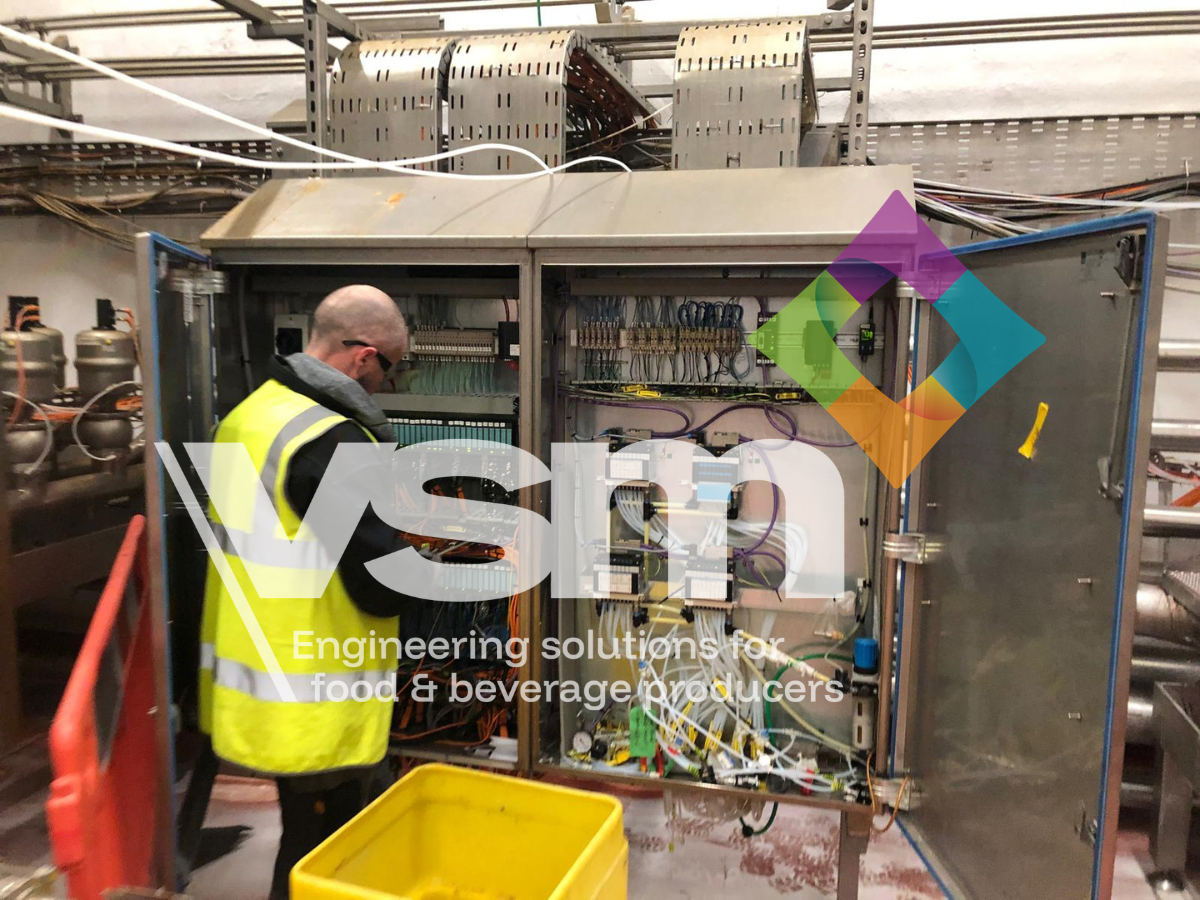
In today’s competitive manufacturing environment, upgrading plant infrastructure at the right time can be the difference between staying efficient and falling behind. Many businesses delay upgrades to avoid capital expenditure, but waiting too long often leads to higher costs, unplanned downtime, and reduced productivity.
So how do you know when the time is right?
In this article, we’ll break down the key signs, benefits, and strategic considerations for upgrading your existing plant infrastructure, helping you make informed, cost-effective decisions.
Why Upgrading Plant Infrastructure Matters
Modern manufacturing relies on efficient, reliable, and scalable systems. As equipment ages, performance drops, maintenance costs rise, and compatibility with newer technologies becomes limited.
Upgrading your infrastructure can:
- Improve operational efficiency
- Reduce unplanned downtime
- Enhance safety and compliance
- Enable automation and data-driven decision-making
- Extend the lifespan of existing assets
Rather than a full replacement, targeted upgrades often deliver the best return on investment.
Key Signs It’s Time to Start Upgrading Your Plant Infrastructure
1. Increasing Maintenance Costs
If your maintenance team is constantly firefighting, it’s a clear warning sign. Rising spend on spare parts, frequent breakdowns, and reactive repairs often indicate that your infrastructure is no longer fit for purpose.
2. Frequent Downtime and Production Losses
Unplanned downtime doesn’t just affect output, it impacts delivery schedules, customer satisfaction, and overall profitability.
If breakdowns are becoming more frequent or harder to resolve, upgrading critical components such as drives, sensors, or control systems can significantly improve reliability.
3. Obsolete or Unsupported Equipment
Older systems can become obsolete, with manufacturers discontinuing parts or support. This creates risk, especially when critical failures occur and replacements are difficult to source.
Upgrading ensures:
- Availability of spare parts
- Ongoing technical support
- Compatibility with modern systems
4. Lack of Automation and Data Visibility
If your factory is still relying heavily on manual processes or lacks real-time data, you’re missing opportunities to improve efficiency.
Modern upgrades can introduce:
- Smart sensors
- Automation systems
- Condition monitoring
- Performance tracking
This shift enables predictive maintenance and better decision-making.
5. Expansion or Increased Production Demand
When production requirements grow, existing infrastructure can quickly become a bottleneck.
Signs include:
- Slower throughput
- Overloaded systems
- Reduced product quality
Upgrading infrastructure—such as electrical panels, cable containment, or control systems—can support increased capacity without a full rebuild.
6. Safety and Compliance Concerns
Outdated systems may no longer meet current safety standards or regulations. This can expose your business to risk, both operationally and legally.
Upgrades can address:
- Electrical safety improvements
- Machine guarding and interlocks
- Compliance with updated industry standards
Upgrading vs Replacing: What’s the Right Approach?
One of the biggest misconceptions is that improvement always requires full replacement.
In reality, targeted upgrade projects often deliver the best results. These can include:
- Relocating or upgrading control panels
- Extending cable infrastructure
- Installing new drives, sensors, or automation
- Adding new containment systems
- Fabricating and installing bespoke mechanical components
This approach allows you to modernise your facility while minimising disruption and capital spend.
The Cost of Waiting Too Long
Delaying upgrades might seem like a cost-saving measure, but it often leads to:
- Higher long-term maintenance costs
- Increased downtime
- Reduced efficiency
- Lost production opportunities
A planned, proactive upgrade strategy ensures you stay ahead rather than reacting to failures.
How to Plan an Effective Upgrade Strategy
To get the most value from your investment:
- Assess current performance – Identify weak points and recurring issues
- Prioritise critical systems – Focus on areas with the highest impact
- Plan in phases – Spread cost and minimise disruption
- Work with experienced engineers – Ensure upgrades are fit for purpose and future-proof
- Incorporate data and monitoring – Enable long-term optimisation
Final Thoughts
There’s rarely a perfect moment to upgrade, but there are clear indicators that the time is right.
If you’re experiencing rising maintenance costs, increased downtime, or limitations in capacity, it’s worth exploring how upgrading your existing plant infrastructure can improve performance and profitability.
At VSM, we work closely with manufacturers to deliver practical, cost-effective upgrade solutions to help you get more from your existing assets while preparing for future growth. Have a look at some of our upgrade services here: https://valuestreammachinery.com/services/projects/
